
(MRP Inclusive of all taxes)
HSN Code : 1209
PETUNIA DESCRIPTION
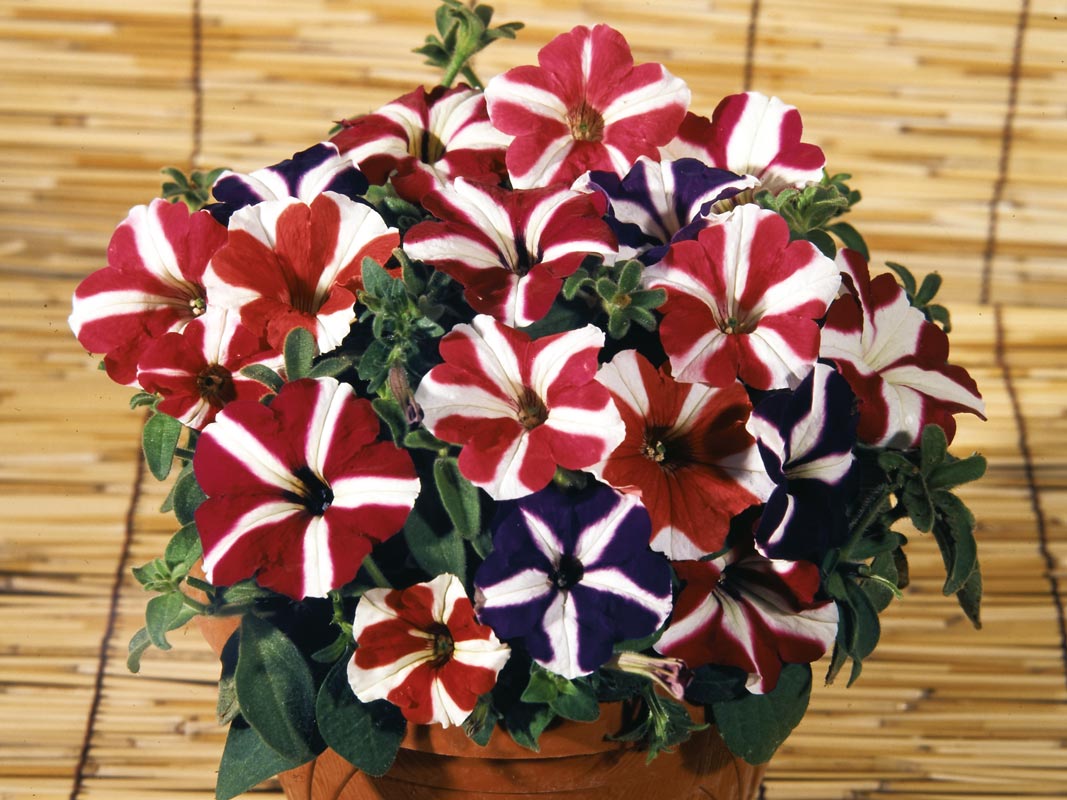
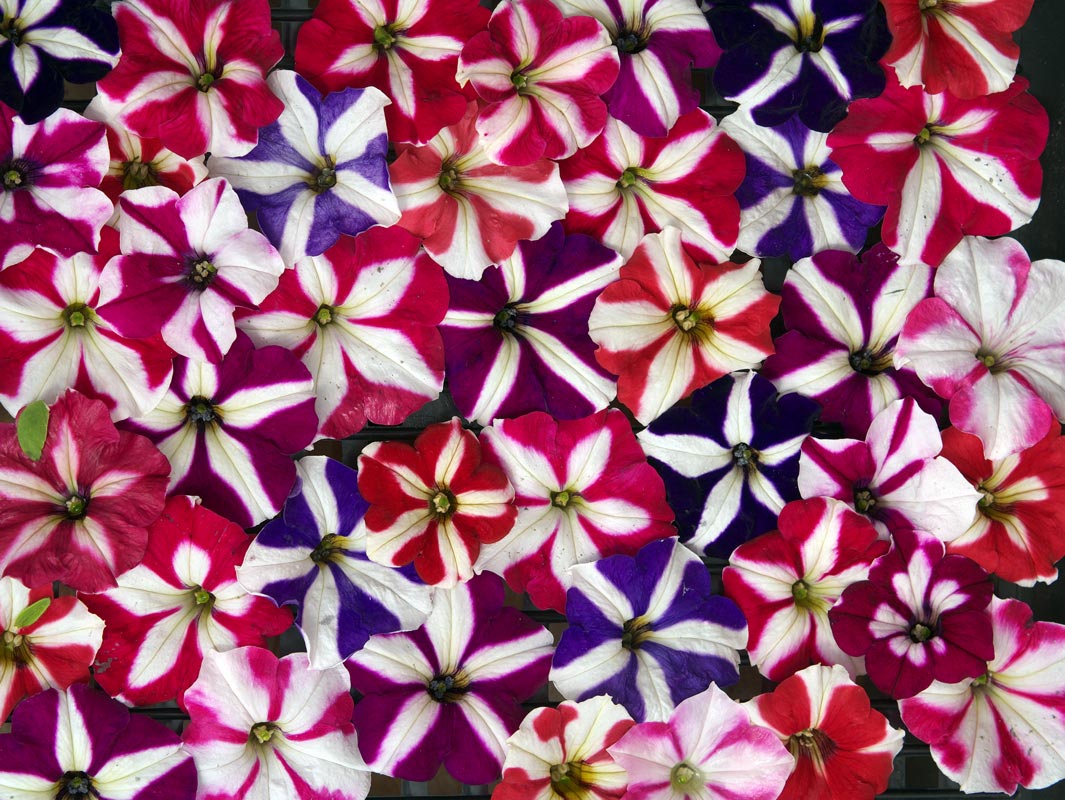
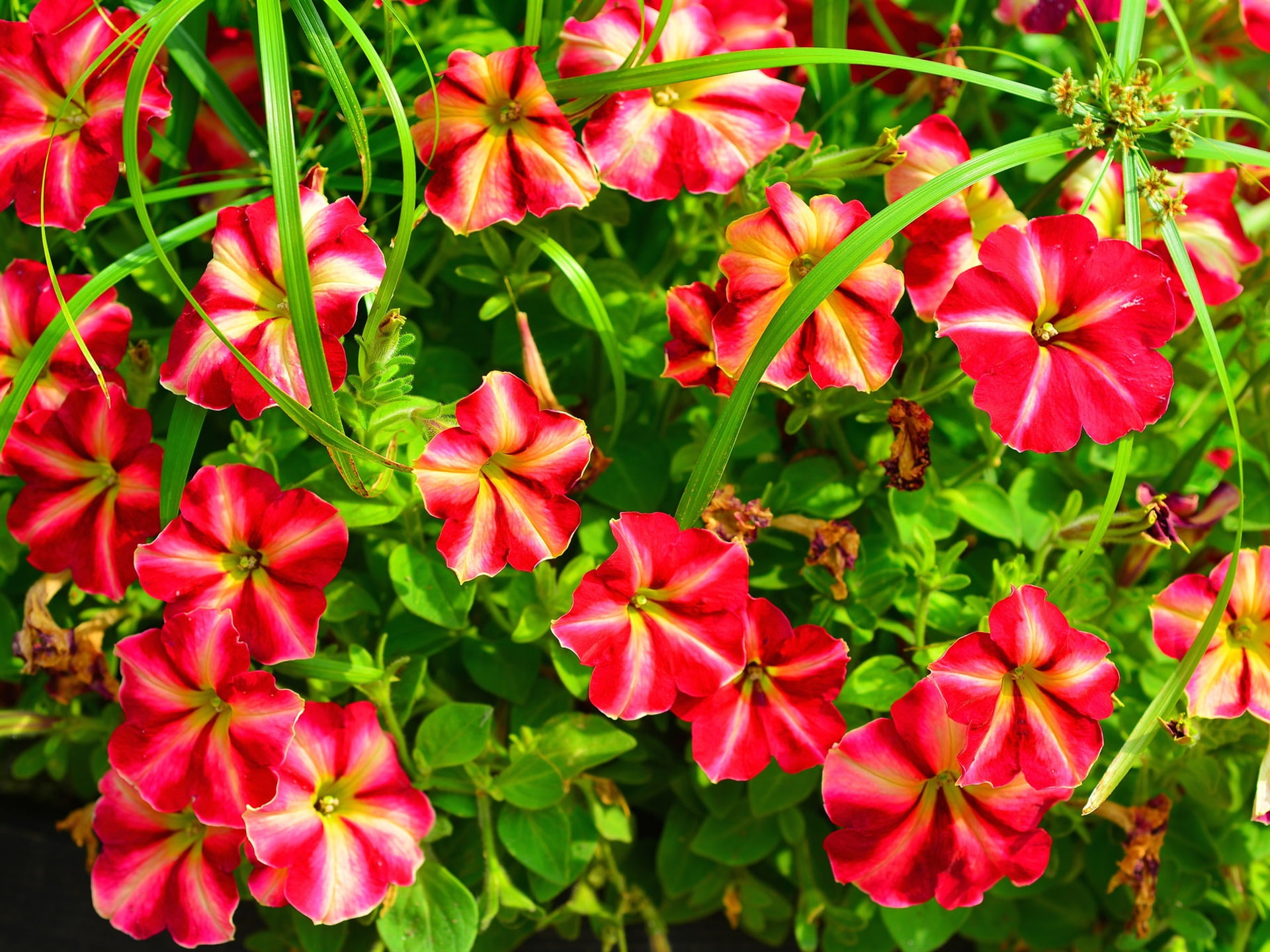
Petunia is an annual or perennial growing flower that comes in a variety of colors, sizes, and designs. The plant produces oval-shaped leaves and funnel-shaped soft and five-petal flowers. Petunias are very popular among gardeners because they make gardens happy and fragrant and also help attract butterflies. Petunia is a low-maintenance flower plant and very easy to grow in a home garden, terrace garden, or balcony. Buy the best quality Petunia Dwarf Stars Mix seeds Online at the best price from www.storeflix.in and add colors to your garden.
Product Detail
What size grow bag is best for Petunia?
Petunia Growing Season In India
Petunias can grow in all seasons throughout the year but spring (February to May) is the best time to plant. You can also sow the seeds from September to October when the soil temperatures are at least 21°C.
How To Grow Petunia
Most gardeners recommend the transplanting seedling method as it helps it to grow healthy and the petunia has no deep roots so it does not have any problem with the transplant. Since its roots are not long, a pot at least 9 inches wide and 6 inches deep is sufficient for planting petunia. The ideal temperature for petunia seeds to germinate is around 21-26°C.
Petunia Dwarf Stars Mix Seeds Sowing Method
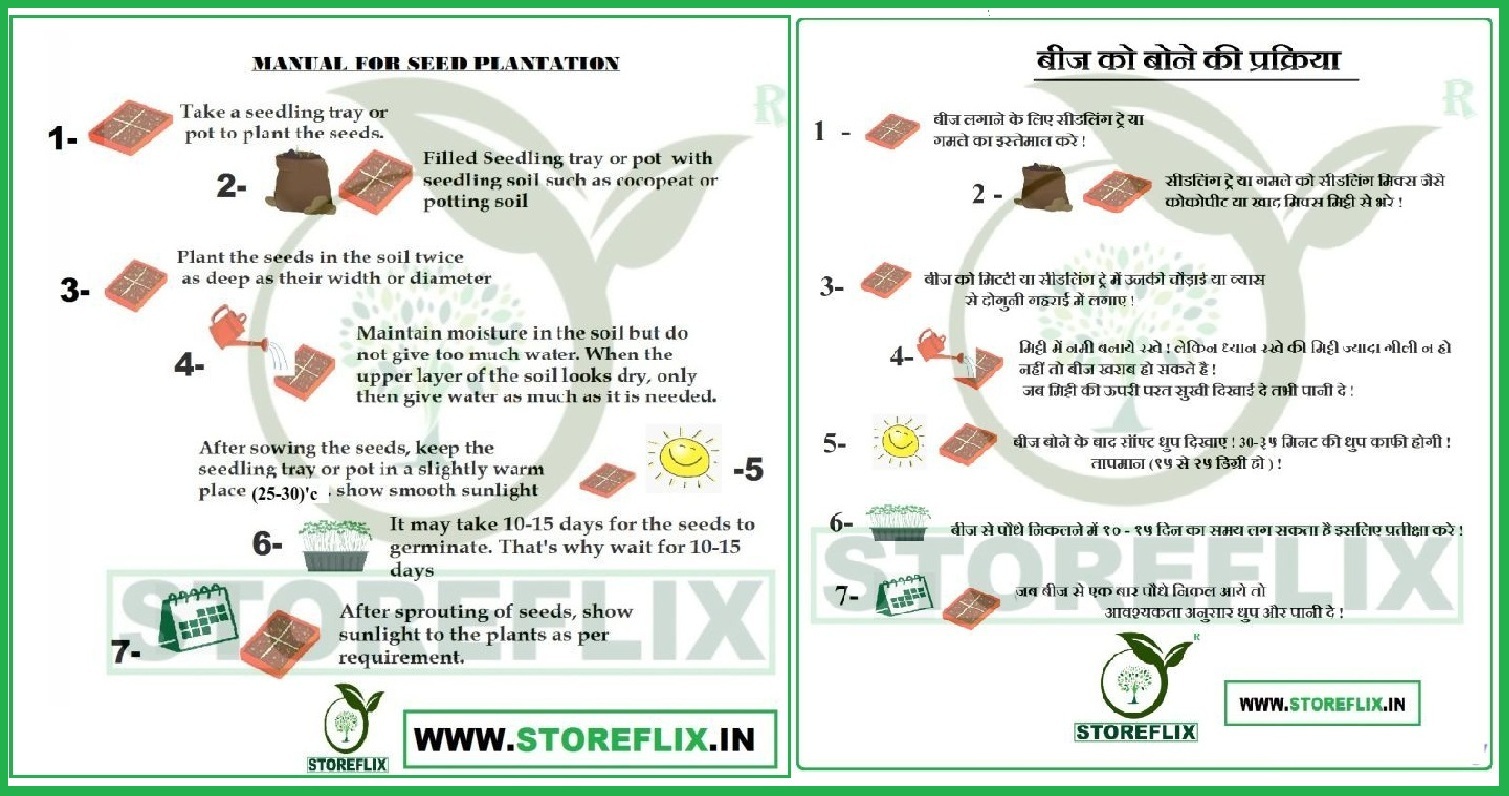
Take a seedling tray fill them with a potting mix, spread the petunia seeds on the soil, and press them gently. You can also make your own potting mix by mixing 20% cocopeat, 30% vermicompost, 30% garden soil, and 20% sand. Petunias need light to germinate but do not place the seedling tray in direct sunlight, keep them in indirect sunlight. Water the soil gently and keep them moist until germination; petunia can germinate in about 1 to 2 weeks. After seed germination when petunia seedlings have a few true leaves, you can transplant them into pots or grow bags. Remember, plant only one seedling in each 9 inches wide pot for healthy growth.
Petunia Fertilizer Requirements
Petunias Plant Care Tips
Soil – A light, fertile and good-drained soil is best for planting petunias.
Water – Petunias require moderate watering; neither let the soil dry out for long periods of time nor water the soil too much. Consistent soil moisture is enough for a petunia plant.
Sunlight – Petunias grow very well in full sunlight for at least 6 hours and can also grow in some shade on hot summer days. But shade-grown petunias produce fewer flowers.
Temperature – The optimum day temperature for growing petunia is 15-29 °C while the night temperature is 12-18 °C.
Common pests and diseases – Pests such as aphids, fleas, beetles, slugs, and snails feed on the plants. And gray mold disease infects plants, especially during the rainy season. You can use neem oil to repel insects on petunia plants, and gray mold disease can be controlled by removing infected leaves or flowers.
Pruning – Removing or deadheading spent flowers is very important for a petunia’s healthy growth. Deadhead encourages more blooms and gives room for new blooms. In addition, it is important to regularly remove any infected or dry parts of the petunia plant for better growth.
When To Bloom Petunia
Petunia Special Features
FAQ
How do you keep petunias blooming?
To keep petunias blooming they need proper sunlight, water, and regular fertilizer and trimming.
Why are my potted petunias dying?
Petunia dieback is a really big problem, it is caused by overwatering or underwatering. Too much water in the soil causes fungal diseases while too little water causes the plant to wither and then die.
Note: Images are for reference purposes only. Actual products may vary in shape or appearance based on climate, age, height, etc.

