

(MRP Inclusive of all taxes)
HSN Code : 1209
PHLOX DESCRIPTION
Product Detail
What size grow bag is best for Phlox?
Phlox Growing Season In India
Phlox prefers a mild and warm climate but does not like hot and humid summers. The best times to plant phlox seeds are in spring (February to March) and autumn (September to November) when temperatures are warm.
How To Grow Phlox In Pots
Phlox grows well both by direct sowing or seedling transplanting method. Sow the seeds when the soil temperature is 16-24°C for faster germination. You can use a pot or grow bag at least 6 to 12 inches wide and deep for planting phlox. The seeds germinate in the dark and if you keep the pot in a bright spot, the phlox seeds will not germinate.
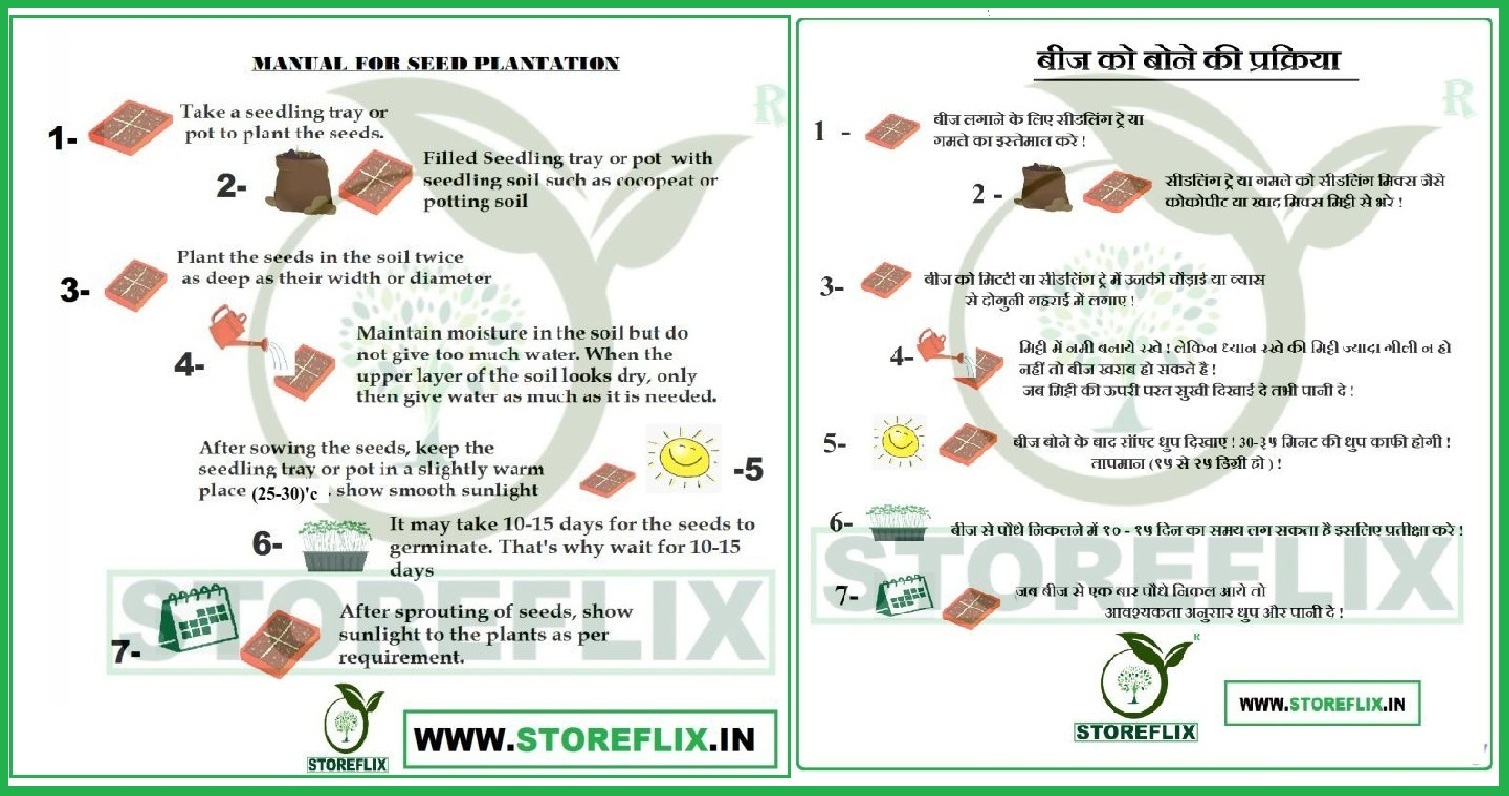
Phlox Beauty Dwarf Seeds Sowing Method
Take a seedling tray and fill it with a potting mix, you can also make your potting mix by mixing 20% cocopeat, 30% vermicompost 30% garden soil, and 20% sand. Sprinkle the phlox seeds in the soil and cover the seeds with a thin layer of soil. Place the seedling tray in a dark room. Water the soil gently through a watering can and keep them moist until germination; phlox seeds can germinate in about 5 to 14 days.
After seed germination when phlox seedlings have a few true leaves, you can transplant them into pots or grow bags. But don’t forget to harden off the seedlings before transplanting them outdoors. Plant only 1 or 2 phlox seedlings in each 6 inches pot for healthy growth. Keep the soil moist and place the pot in partial sunlight for a few days after transplanting to protect the seedling from transplant shock. After 3 days, keep the container in full sunlight.
Phlox Flower Plant Fertilizer Requirements
It has no special fertilizer requirements, just add compost each year in spring to encourage healthy growth.
Phlox Flower Care Tips
Soil – Use moist but well-draining soil as phlox does not like to grow in dry or sandy soil. You can also improve your soil by adding organic matter.
Water – Phlox plants are sensitive to drought and they do not grow well in dry soil. Consistent soil moisture is key to successful phlox growth, in addition, avoid overhead watering as this can lead to fungal infections
Sunlight – Phlox prefers full sunlight and some grow in partial shade as well. But the best is to get at least 6 hours of sunlight phlox plant.
Temperature – The optimum temperature for growing phlox plants is 15-26°C.
Common pests and diseases – Some pests that feed on phlox plants are aphids, beetles, caterpillars, spider mites, and whiteflies. You can use neem oil on the plant to get rid of these insects. Other than this powdery mildew is a disease that infects the phlox plants and spoils their looks. It is best to cut off infected leaves to avoid the spread of the disease. Always check the plants that they are not infected and avoid overhead watering.
Mulching – Since phlox do not like hot and humid summers, you can mulch the plant during mid to late June to keep the root cool.
Phlox Bloom Time
Phlox Special Features
FAQ
Does the phlox plant come back every year?
Phlox is actually a perennial plant that comes back every year.
Does phlox need to be deadheaded?
Deadhead encourages more blooms and gives room for new blooms. Removing or deadheading spent flowers is very important for a phlox healthy growth.
Note: Images are for reference purposes only. Actual products may vary in shape or appearance based on climate, age, height, etc.

